
Most dogs vomit at some point, and a single episode does not always mean something serious is wrong. However, dog vomiting can also be a sign of illness, poisoning, an intestinal blockage, or another condition that needs veterinary care.
The frequency of the vomiting, what your dog brings up, and how your dog is acting can all provide important clues. Knowing what to watch for can help you decide when to monitor your dog and when it is time to call Schoolcraft Veterinary Clinic.
Why Do Dogs Vomit?
Vomiting is the forceful emptying of stomach contents through the mouth. It can happen for many reasons, ranging from a temporary stomach upset to a more serious medical condition.
Sometimes the cause is relatively straightforward. A dog may get into the garbage, eat spoiled food, eat too much of an unfamiliar food, or experience digestive upset after a sudden change in diet.
Other causes involve the gastrointestinal tract itself. Intestinal parasites and infections can cause vomiting, as can inflammation of the stomach or intestines. Pancreatitis, which involves inflammation of the pancreas, can also cause vomiting and is often accompanied by loss of appetite, abdominal pain, lethargy, or diarrhea.
Vomiting can also occur when a dog swallows something that cannot pass normally through the digestive tract. Toys, pieces of fabric, bones, wrappers, and other foreign objects can potentially cause an intestinal obstruction.
Not every cause begins in the digestive system. Kidney disease, liver disease, certain medications, toxins, and other medical conditions can also cause a dog to vomit.
Because the possibilities are so varied, vomiting is a symptom rather than a diagnosis. How often your dog vomits and what else is happening can be just as important as the vomiting itself.
Vomiting and Regurgitation Are Not the Same
What looks like vomiting is sometimes actually regurgitation.
Vomiting is an active process. A dog may appear nauseated, drool, retch, or have noticeable abdominal contractions before bringing up stomach contents.
Regurgitation is usually more passive. Food or liquid comes back up from the esophagus without the retching and abdominal effort associated with vomiting. Regurgitated food is often undigested because it may never have reached the stomach.
The distinction matters because vomiting and regurgitation can have different causes. If you are not sure which one your dog is doing, describe exactly what you saw when you call us. A video of an episode, if you happen to capture one safely, can also be helpful.
What Does Your Dog’s Vomit Look Like?
The appearance of your dog’s vomit can provide additional information, although it cannot tell us the cause by itself.
Food: Dogs can vomit partially digested or undigested food, particularly when vomiting occurs relatively soon after eating. Remember that undigested food that comes back up passively could be regurgitation rather than vomiting.
Yellow liquid or foam: Yellow vomit often contains bile. A dog can occasionally vomit bile when the stomach is empty, but repeated episodes can have other causes and should not automatically be attributed to hunger.
White or clear foam: Foamy vomit can occur when there is little food in the stomach. It can also accompany gastrointestinal irritation and other conditions.
Blood: Blood in vomit may appear bright red. Digested blood can look darker and sometimes resemble coffee grounds. Contact us promptly if you see blood in your dog’s vomit.
If possible, take a photograph before cleaning up the vomit. Knowing the color, contents, and approximate amount can give your veterinary team additional information.
When Should You Call the Veterinarian About Dog Vomiting?
One isolated episode in an otherwise alert dog that continues to eat, drink, and behave normally may not require immediate veterinary care. Repeated vomiting or other changes in your dog’s health are more concerning.
Call Schoolcraft Veterinary Clinic if your dog:
- Vomits repeatedly or continues vomiting
- Cannot keep water down
- Has diarrhea along with vomiting
- Seems unusually tired, weak, or uncomfortable
- Refuses food
- Has blood in the vomit or stool
- May have swallowed a toy, bone, fabric, wrapper, or another object
- May have eaten something toxic
Puppies, senior dogs, and dogs with existing health conditions can become dehydrated or develop complications more quickly. Contact us if you are concerned about vomiting in a dog that may be more vulnerable to dehydration or illness.
When Is Dog Vomiting an Emergency?
Some symptoms require immediate veterinary attention.
Repeated attempts to vomit without producing anything, especially when accompanied by a swollen abdomen, restlessness, or discomfort, can be associated with gastric dilatation-volvulus (GDV), commonly called bloat. This is a life-threatening emergency that requires immediate treatment. Seek urgent veterinary care if vomiting is accompanied by:
- Collapse or severe weakness
- Difficulty breathing
- A swollen or very painful abdomen
- Repeated unsuccessful attempts to vomit
- Signs of severe distress
Suspected poisoning or ingestion of a foreign object can also require urgent care. Do not wait for your dog to begin vomiting before seeking advice if you know or suspect they have swallowed something dangerous.
October Brings Some Additional Vomiting Risks

Halloween and other fall activities can put foods and objects within reach that dogs do not normally encounter.
Chocolate, sugar-free candy containing xylitol, raisins, and certain other foods can be toxic to dogs. Rich or fatty foods can also cause gastrointestinal problems and can contribute to pancreatitis.
Candy wrappers, costume pieces, decorations, and other small objects can present another danger. If swallowed, an object can potentially become lodged in the gastrointestinal tract and cause an obstruction.
Schoolcraft Veterinary Clinic’s Fall Pet Care Guide has additional information about seasonal hazards for dogs and cats.
If you know or suspect that your dog has eaten something potentially toxic, contact us or a pet poison resource promptly rather than waiting to see whether vomiting develops.
How We Determine Why a Dog Is Vomiting
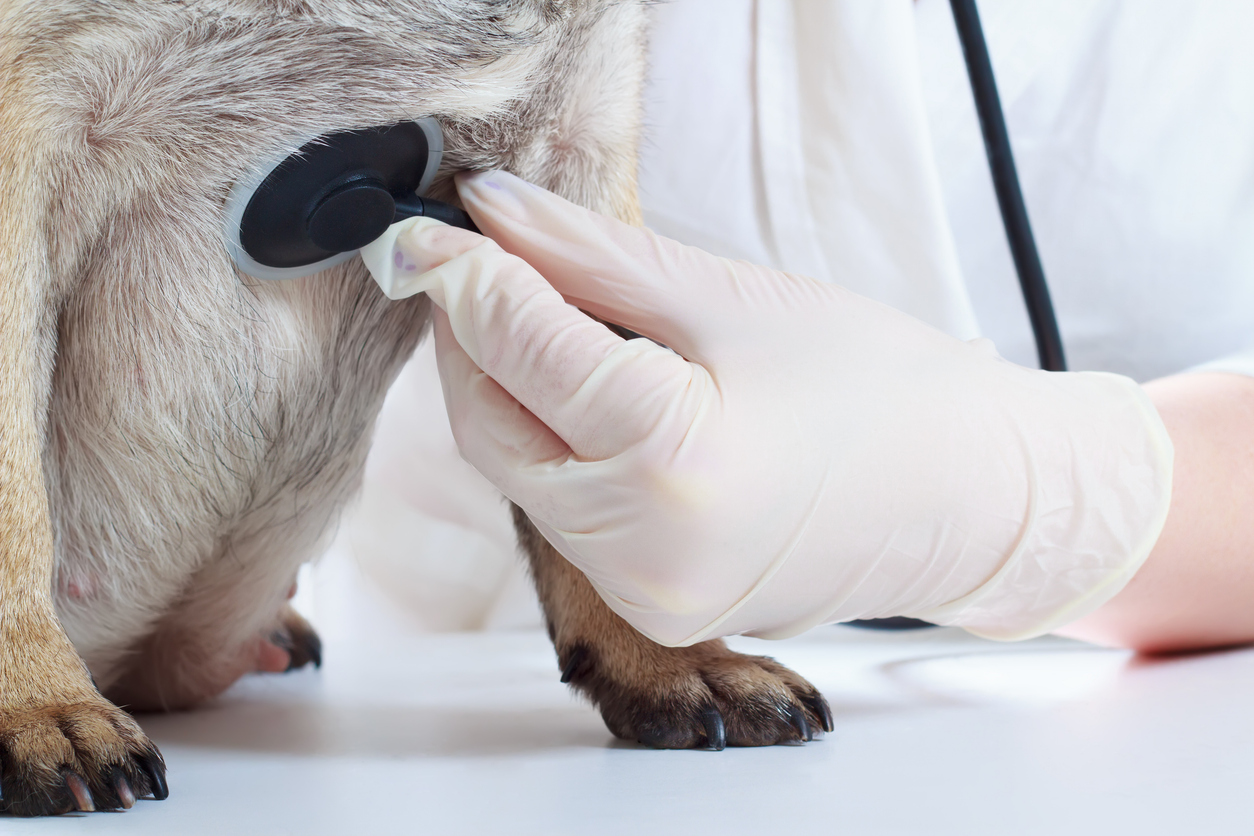
When we evaluate a dog for vomiting, we look at more than the vomiting itself.
We may ask when the vomiting began, how many times it has occurred, what the vomit looked like, and whether your dog has been eating and drinking normally. Diarrhea, changes in energy level, abdominal discomfort, and other symptoms can also provide important information.
It is also helpful to tell us about recent food changes, medications, access to garbage or human foods, and anything your dog might have swallowed.
A physical examination allows us to assess your dog’s hydration, abdomen, temperature, and overall condition. Depending on what we find, additional testing such as bloodwork, fecal testing, or diagnostic imaging may be recommended.
These findings can help us determine what may be causing the vomiting and what treatment your dog needs.
What Should You Do If Your Dog Vomits?
If your dog vomits once and otherwise seems normal, pay attention to what happens next. Note whether your dog vomits again and watch for changes in appetite, water intake, energy level, bowel movements, or behavior.
Try to remember what your dog was doing before the vomiting began. Consider whether your dog had access to garbage, table food, medications, plants, toys, or other objects. This information can be important if the vomiting continues or other symptoms develop.
Avoid giving human medications or attempting to induce vomiting unless a veterinarian or pet poison professional specifically instructs you to do so. In some situations, inducing vomiting can cause additional harm.
When you call Schoolcraft Veterinary Clinic, providing details about what happened can help us determine how quickly your dog should be evaluated.
When Your Dog’s Vomiting Needs Veterinary Attention
Dog vomiting can have many causes, and it is not always possible to determine the reason based on appearance or symptoms at home. What matters most is the overall pattern: how often your dog is vomiting, whether it continues, and whether your dog has other signs of illness.
If your dog is vomiting and you are concerned about their symptoms, contact Schoolcraft Veterinary Clinic. Our team can help determine whether your dog should be examined and what diagnostic testing or treatment may be appropriate.