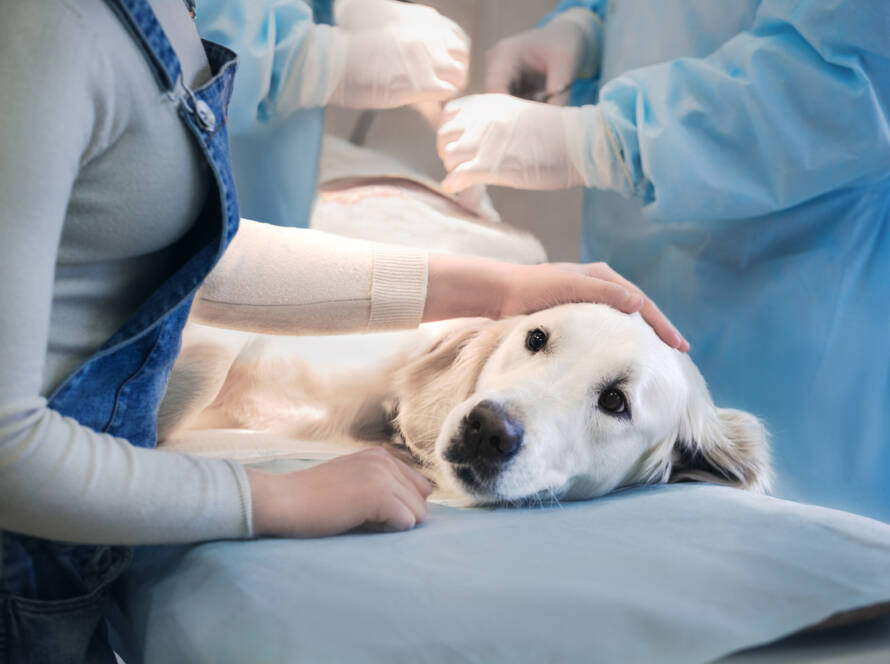
At Schoolcraft Veterinary Clinic, we take dental care seriously because we have seen how much of a difference it makes for our patients. Dogs and cats often hide pain or discomfort, and dental problems tend to stay unnoticed until they are more advanced. Regular dental exams and cleanings give us the chance to catch issues early, keep your pet comfortable, and help protect their long-term health.
Why Dental Problems Cause Bad Breath
Plaque naturally forms on your pet’s teeth every day. If it isn’t removed, it hardens into tartar, creating a rough surface where bacteria easily attach. These bacteria feed on plaque and tartar and release foul-smelling compounds—leading to noticeable bad breath.
As buildup continues, bacteria can irritate the gums, contribute to inflammation, and progress into periodontal disease or infection. Because dogs and cats often hide discomfort, bad breath may become one of the first signs that something is changing inside the mouth.
Signs Your Pet May Have a Dental Problem
Schoolcraft Veterinary Clinic recommends having your pet’s teeth evaluated if you notice any of the following:
- Bad breath
- Broken or loose teeth
- Extra or retained baby teeth
- Teeth that are discolored or covered in tartar
- Abnormal chewing, drooling, or dropping food
- Reduced appetite or reluctance to eat
- Pain in or around the mouth
- Bleeding from the mouth
- Swelling around the mouth
Some pets also become irritable when dealing with dental pain. Any change in your pet’s behavior should prompt a visit to the clinic.
What Dental Problems Can Cause Bad Breath?

Bad breath in dogs and cats may indicate one or more of the following:
- Periodontal disease
- Broken teeth or roots
- Tooth abscesses or infections
- Cysts or tumors in the mouth
- Misaligned teeth or bite problems (malocclusion)
- Jaw fractures involving the teeth
Because these issues can develop below the gumline, they may go unnoticed without a professional exam.
How Dental Health Affects the Rest of the Body
Dental problems do not just stay in the mouth. When gums become irritated, inflamed, or infected, bacteria can enter the bloodstream more easily and place added strain on major organs. Over time, this can contribute to health issues elsewhere in the body and may complicate existing conditions.
Untreated dental disease can affect:
- Heart health
- Kidney and liver function
- Immune system strength
- Appetite and body condition
- Energy levels and behavior
- Comfort and overall quality of life
Supporting your pet’s dental health protects your pet and helps safeguard their long-term well-being.
What to Expect During Professional Dental Cleaning
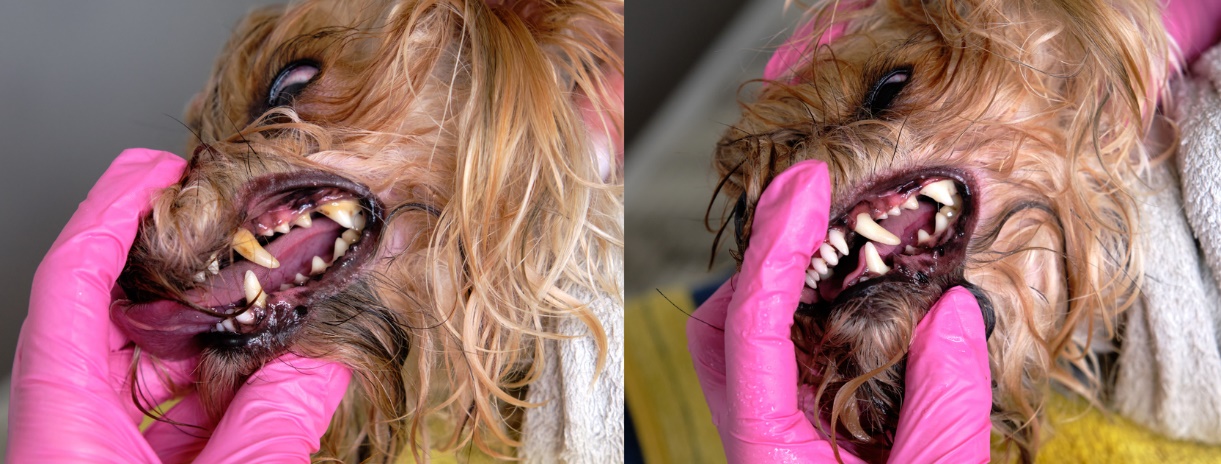
A professional dental cleaning at Schoolcraft Veterinary Clinic is thorough, precise, and tailored to your pet’s needs. A typical dental procedure includes:
- A full oral exam under anesthesia
- Digital dental X-rays to evaluate the teeth below the gumline
- Removal of plaque and tartar using specialized ultrasonic equipment
- Assessment for tooth fractures, root exposure, or gum recession
- Polishing to smooth the tooth surface and slow future plaque buildup
- Fluoride or sealant application when appropriate
- Extractions or treatment if we discover infected or painful teeth
Anesthesia is essential for your pet’s safety and comfort. It allows us to clean the teeth thoroughly, take accurate X-rays, and evaluate the entire mouth without causing fear or stress.
For home-care guidance, you can reference the AVMA’s Pet Dental Care page:
Schedule a Dental Exam
Bad breath may be one of the earliest signs that dental changes are developing, but it is only part of your pet’s overall oral health story. Dental disease can progress quietly—even when pets continue eating normally—which is why routine dental exams and cleanings are essential.
If your pet’s breath has changed or it’s time for their annual dental evaluation, Schoolcraft Veterinary Clinic is here to help. Our experienced team provides thorough, compassionate dental care to support your pet’s comfort, health, and quality of life all year long.