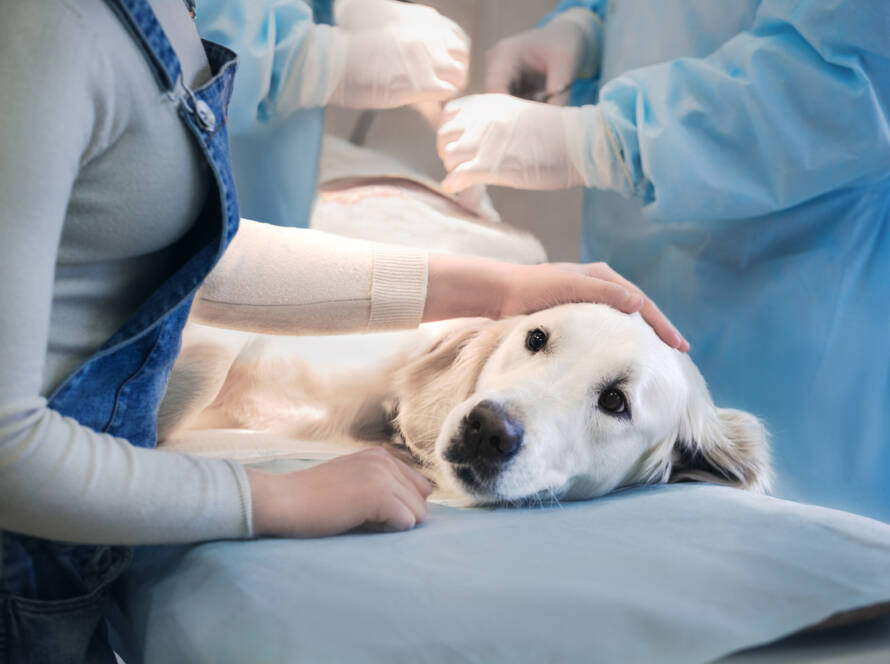
Studies show that pet obesity in Michigan dogs and cats is on the rise, with reports suggesting that nearly 4 out of 10 pets in the state may be carrying excess weight.
While there are many factors that can contribute to weight gain, one thing remains consistent calories in versus calories out. Changes in routine, feeding habits, and activity levels can all play a role, and weight gain often happens gradually without being immediately noticed.
This is not just about appearance. Extra weight can place strain on joints, affect organ function, and reduce overall quality of life long before noticeable symptoms appear. Recognizing early changes and making small adjustments can play an important role in your pet’s long-term health.
Why Pet Obesity in Michigan Is on the Rise
Weight gain in pets typically comes down to a simple imbalance—taking in more calories than are burned. Several everyday factors can contribute to this:
- Overfeeding or frequent treats
- Lack of regular exercise
- Changes in routine or activity levels
- Misunderstanding what a healthy weight looks like
In Michigan, seasonal changes can make this imbalance more likely. Long winters, reduced daylight, and limited outdoor activity for several months of the year can make it harder for pets to stay active, especially if eating habits remain the same.
How to Tell if Your Pet Is Overweight
Many pets that are overweight are still perceived as “normal” by their owners. Recognizing the signs early is key.
Signs your pet may be overweight include:
- Difficulty feeling ribs under a layer of fat
- A lack of a visible waist
- Reduced energy or reluctance to exercise
- Heavy breathing after mild activity
- Difficulty jumping, climbing stairs, or playing
It can sometimes be difficult to tell just by looking. A helpful visual reference is the body condition scoring chart provided by the American Veterinary Medical Association, which shows the difference between underweight, ideal, and overweight dogs and cats.
If you are unsure, a veterinary exam is the best way to evaluate your pet’s weight and overall condition.
Health Risks Linked to Pet Obesity
Carrying excess weight can impact nearly every system in your pet’s body. Common health risks include:
- Arthritis and joint pain
- Diabetes
- Heart disease
- Respiratory issues
- Reduced lifespan
Even a few extra pounds can make a significant difference, especially for smaller dogs and cats.
Pet Weight Management: What You Can Do at Home
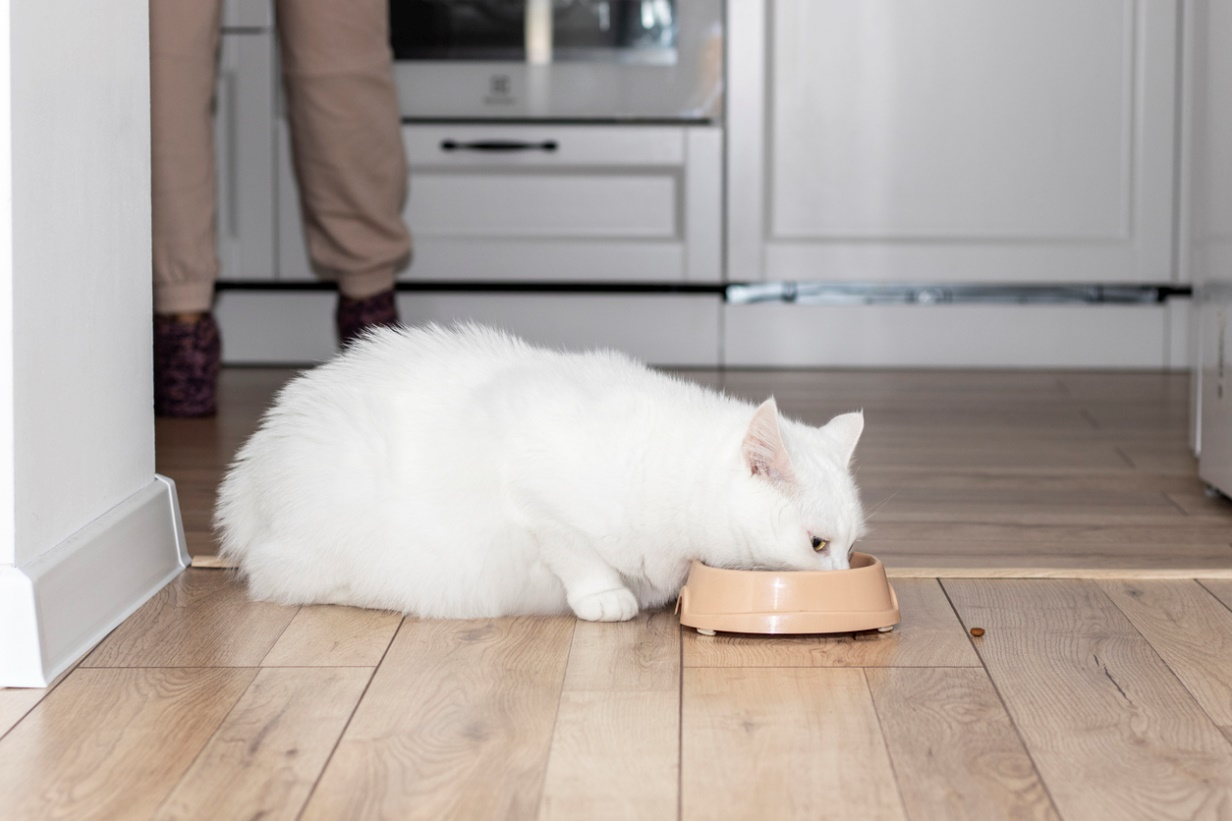
Managing your pet’s weight starts with small, consistent changes. With spring arriving in Michigan, it also becomes easier to build activity into your pet’s daily routine.
Adjust Feeding Habits
- Measure meals instead of estimating
- Limit table scraps
- Choose high-quality, portion-controlled diets
- Eliminate top dressing their meals with meat, cheese, or gravy
Be Mindful of Treats
Treats add up quickly. Consider:
- Using smaller portions
- Switching to healthier alternatives
- Using part of your pet’s daily food as treats
Spring Activities to Help Dogs Stay Active
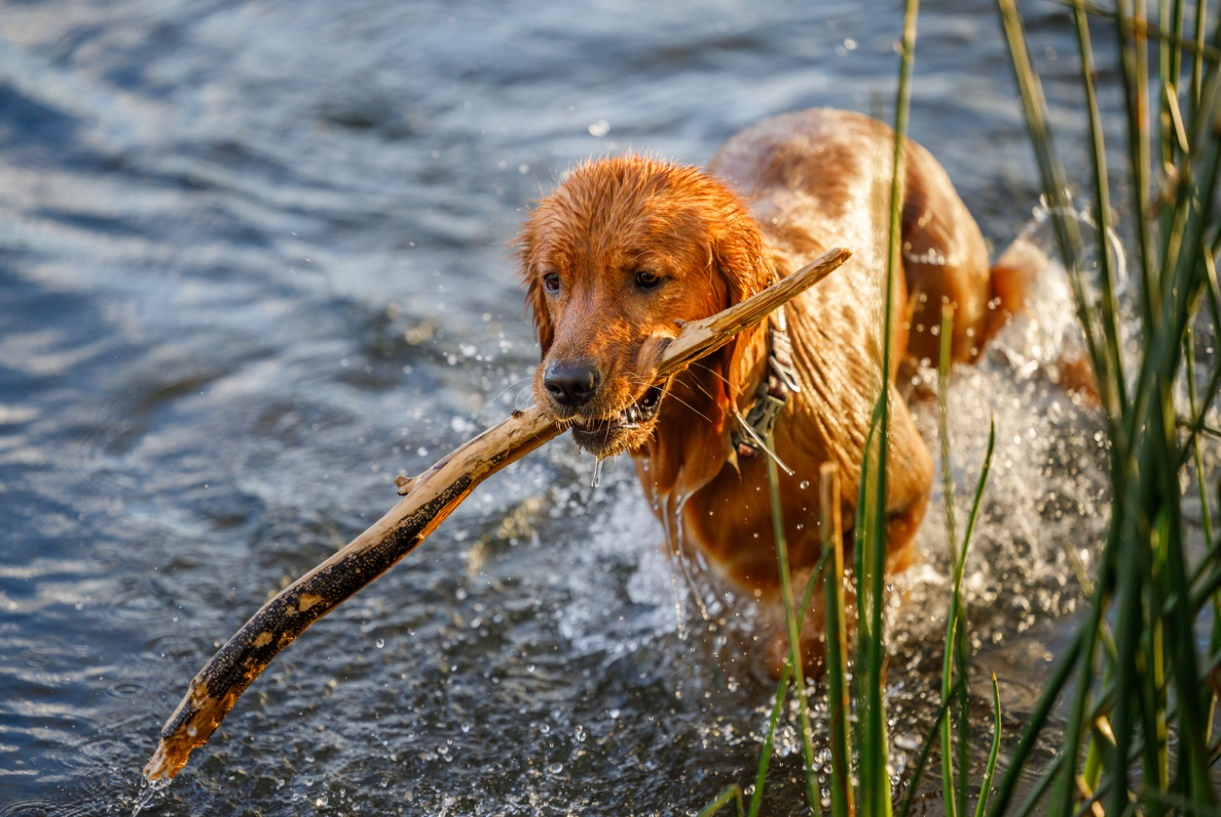
As temperatures rise and days grow longer, spring offers the perfect opportunity to increase activity levels for dogs.
- Supervised water play and outdoor exploration: As temperatures warm up in the Schoolcraft area some local options include:
- Celery Flats Historical Trail
- Prairie View Dog Park
- Fairmount Dog Park
- Kal-Haven Trail
- Al Sabo Land Preserve
These locations provide excellent opportunities for exercise and exploration.
If your dog is around water, always supervise closely and avoid stagnant or standing water, especially after spring rains, as it can carry bacteria such as leptospirosis.
After time outdoors, check your dog for ticks, as wooded trails and grassy areas throughout Kalamazoo County can increase exposure. Preventive parasite protection is an important part of keeping your pet healthy during Michigan’s warmer months.
- Daily walks: Start with shorter walks and gradually increase distance
- Backyard play: Games like fetch or tug-of-war provide both physical and mental stimulation
Keeping Cats Active: More Important Than Many Realize
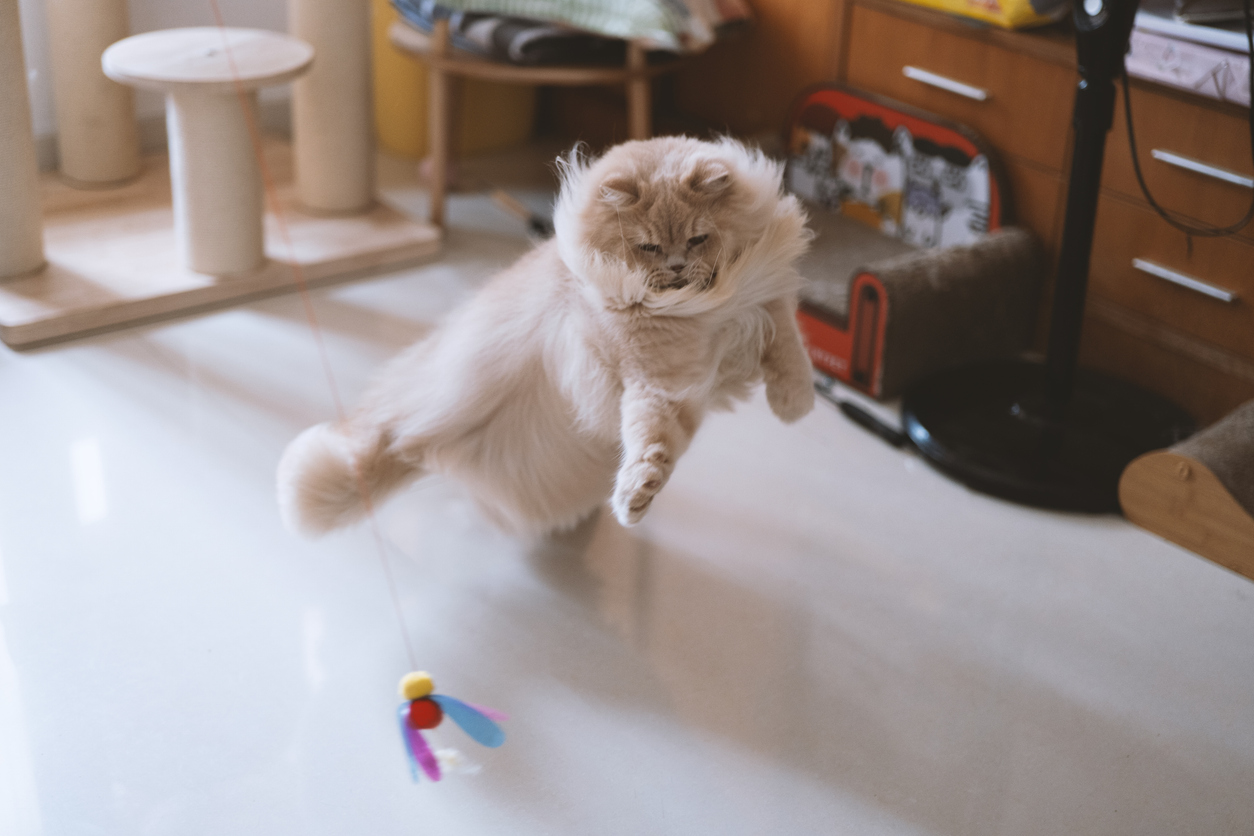
Cats, especially indoor cats, are often overlooked when it comes to exercise. However, they are just as prone to weight gain and need regular activity to stay healthy.
Ways to help keep your cat moving and engaged include:
- Interactive play sessions using wand toys or laser pointers to mimic hunting behavior
- Scheduled playtime, even 10–15 minutes twice a day
- Vertical space such as cat trees or shelves to encourage climbing
- Food puzzles that turn mealtime into a mental and physical activity
- Window enrichment to keep cats mentally stimulated by outdoor activity
For households with multiple pets, encouraging safe, supervised play between animals can also help increase movement naturally.
Helping Your Pet Lose Weight Safely
If your pet is already overweight, weight loss should be approached thoughtfully. The goal is not rapid weight loss, but steady, controlled progress that supports overall health.
For both dogs and cats, losing weight too quickly can lead to health problems. A gradual, consistent approach is the safest and most effective way to achieve lasting results.
Cats require an especially careful plan. In most cases, a safe rate of weight loss for cats is about 0.5% to 2% of their body weight per week. Losing weight faster than this can increase the risk of serious liver complications. For this reason, weight loss in cats should always be gradual and closely monitored.
Ways to support safe weight loss include:
- Feeding measured portions on a schedule rather than free-feeding
- Transitioning to a veterinarian-recommended diet if needed
- Using food puzzles to slow eating and encourage movement
- Incorporating short, regular play sessions throughout the day
- Monitoring weight changes over time rather than day-to-day
For some households, automatic, portion control feeders can be helpful in maintaining consistent portion sizes and feeding schedules, reducing the risk of overfeeding.
It is also important to remember that some pets may have underlying medical conditions that contribute to weight gain. If weight loss is difficult despite changes at home, a veterinary exam can help identify any contributing factors and provide a structured plan.
Why Veterinary Guidance Matters
Weight loss in pets should be done safely and gradually. Rapid changes can lead to health complications, especially in cats.
A veterinary team can:
- Determine your pet’s ideal weight
- Create a customized feeding plan
- Rule out underlying medical issues
- Monitor progress over time
For additional guidance on healthy weight and nutrition, you can refer to the American Veterinary Medical Association’s resource on pet nutrition and weight management.
Small Changes Make a Big Difference
The key to long-term success is maintaining healthy habits over time. Seasonal changes, like the arrival of spring, create new opportunities to build routines that can be maintained year-round.
Schedule a Wellness Exam to Support a Healthy Weight
If you have concerns about your pet’s weight or activity level, scheduling a wellness exam at Schoolcraft Veterinary Clinic is the best place to start. Your veterinary team can help you create a safe, effective plan tailored to your pet’s needs and support your pet in achieving a healthier weight.