
Rabies is one of the few diseases that is almost always fatal once symptoms develop. Keeping your dog’s rabies vaccine current—and vaccinating your cat as recommended by your veterinarian—is one of the simplest and most effective ways to protect your pet and your family.
Understanding how rabies spreads, recognizing potential exposures, and knowing what to do if your pet encounters wildlife can help keep both your pet and your family safe.
What Is Rabies?
Rabies is a viral disease that attacks the brain and nervous system of mammals, including dogs, cats, wildlife, and people. It spreads primarily through the saliva of an infected animal, most commonly through a bite. In rare cases, the virus can also be transmitted if infected saliva comes into contact with an open wound or the eyes, nose, or mouth.
Once clinical signs develop, rabies is almost always fatal. Fortunately, rabies vaccination is highly effective at preventing the disease, making it one of the most important vaccines your pet receives.
Thanks to decades of routine vaccination and public health programs, rabies has remained uncommon in dogs and cats across the United States. That success is not because the disease disappeared. It is because vaccination has helped keep it under control. Continuing to vaccinate our pets helps ensure they remain protected from this deadly disease.
Rabies Risks in Michigan
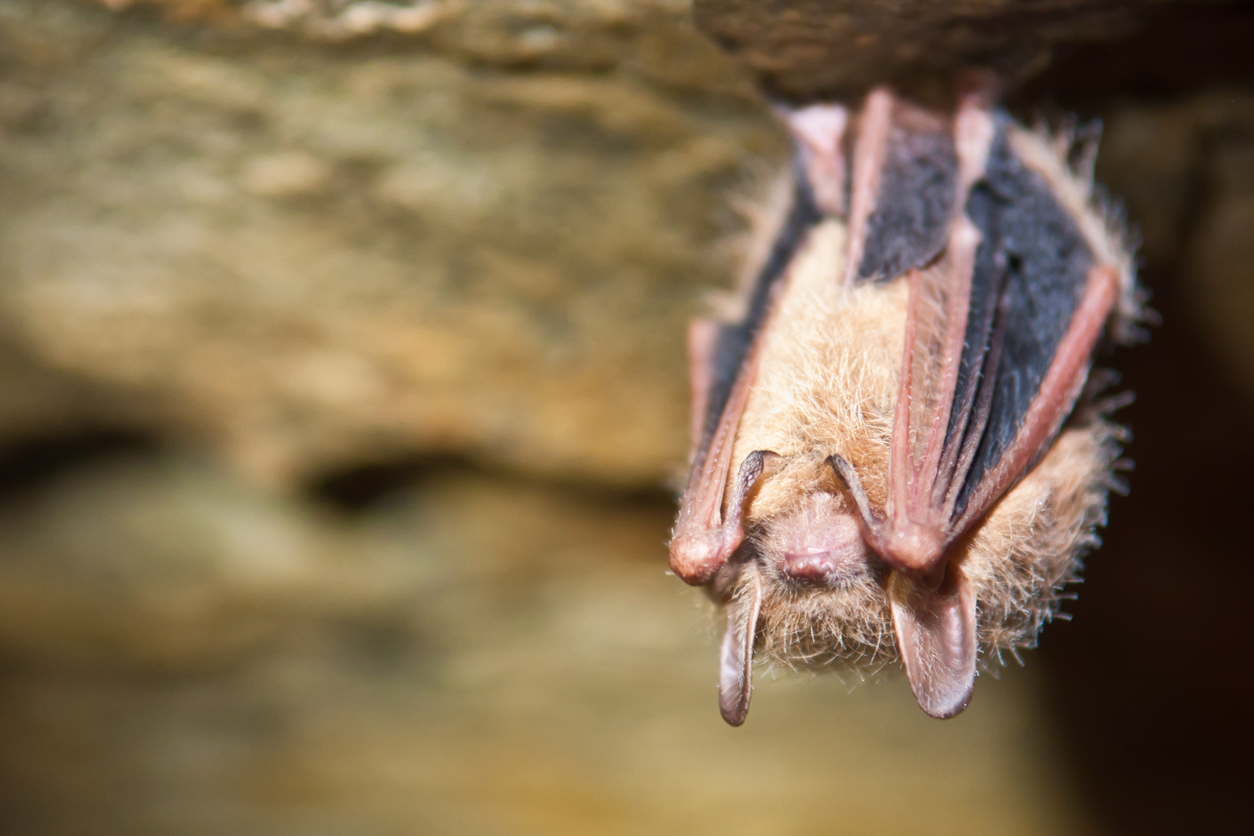
Although no rabid animals have been reported in Schoolcraft County so far this year, rabies continues to be identified in wildlife elsewhere in Michigan. According to the Michigan Department of Health and Human Services, bats account for nearly all confirmed rabies cases reported in the state this year. While skunks and other wild mammals can also carry rabies, bats remain the most common source of exposure.
Dogs may encounter wildlife while exploring wooded areas, hiking, camping, spending time at cabins, or simply being in the backyard. Outdoor cats are naturally curious and may investigate or hunt wildlife, increasing their risk of exposure.
Wildlife that can carry rabies in Michigan includes:
- Bats
- Skunks
- Foxes
- Raccoons
- Other wild mammals, although less commonly
Animals with rabies do not always behave aggressively. Some may appear unusually friendly, disoriented, weak, unable to walk normally, or active during times they would normally be resting.
Never approach, touch, or attempt to rescue unfamiliar wildlife, especially bats. If you encounter a wild animal behaving strangely, keep your distance and contact Schoolcraft County Animal Services & Enforcement at 269-383-8775. If the animal has bitten or scratched a person or pet, seek medical or veterinary care immediately and report the incident to Animal Services.
Why Every Dog Needs a Rabies Vaccine
A rabies vaccine for dogs is one of the most effective ways to protect your pet from this deadly disease. Vaccination not only helps protect your dog if they are exposed, but it also helps protect your family and the community by reducing the risk of rabies transmission.
Michigan law requires dogs to be vaccinated against rabies. Even dogs that spend most of their time indoors are not completely protected from unexpected wildlife encounters. Walks through the neighborhood, time in the backyard, camping trips, or visits to local parks can all create opportunities for exposure.
Keeping your dog’s rabies vaccine current provides the best protection if an unexpected encounter occurs.
Rabies Vaccination for Cats
A rabies vaccine for cats is an important part of protecting your cat from rabies. Cats that spend time outdoors are more likely to encounter wildlife, making vaccination an important part of their preventive healthcare.
Although Michigan does not require rabies vaccination for cats, veterinarians strongly recommend it even if the cat lives completely indoors. An indoor cat may accidentally get outside, or a bat may enter a garage, porch, or home, creating an opportunity for contact with infected wildlife.
Keeping your cat’s rabies vaccine current helps protect your cat should an unexpected exposure ever occur.
What to Do If Your Pet Is Bitten by Another Animal
If your dog or cat is bitten by another animal, contact Schoolcraft Veterinary Clinic as soon as possible. Even if your pet appears normal, bite wounds can become infected and, in some situations, may carry a risk of rabies exposure.
Our veterinary team will evaluate your pet based on their rabies vaccination status, the type of animal involved, whether the animal is known or unknown, and the circumstances of the bite. Depending on the situation, your pet may need wound treatment, a rabies booster vaccination, a period of observation, or additional recommendations to help protect their health.
If the bite was from wildlife or an unfamiliar animal, avoid further contact if it can be done safely. Contact Schoolcraft County Animal Services & Enforcement for guidance, especially if a person has also been bitten or scratched.
Prompt veterinary care is important because bite wounds can lead to serious infections and other complications, even when rabies is not a concern.
Michigan Rabies Vaccine Requirements for Pets
Michigan law requires dogs to be vaccinated against rabies.
Typical Rabies Vaccination Schedule for Dogs
- 12 to 16 weeks of age: First rabies vaccine
- 1 year later: First booster
- Every 1 or 3 years after that: Booster vaccinations, depending on the vaccine used
Your veterinarian will recommend the appropriate schedule based on your dog’s age, vaccination history, and the rabies vaccine your dog receives.
Although Michigan law does not require rabies vaccination for cats, veterinarians strongly recommend it because cats can also be exposed through unexpected encounters with wildlife.
During your pet’s wellness visit, our team can recommend the appropriate rabies vaccination schedule based on your pet’s age, medical history, and lifestyle.
How Schoolcraft Veterinary Clinic Can Help
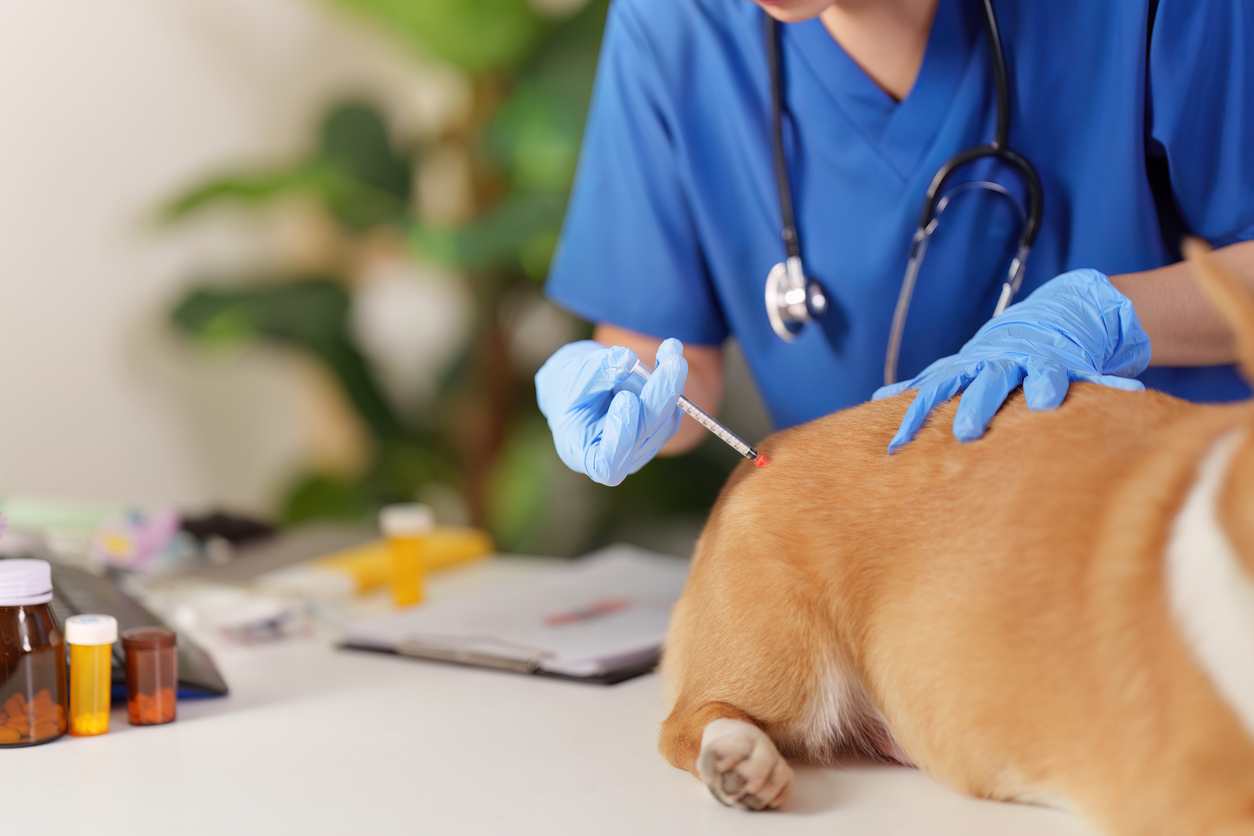
Preventive care is one of the best ways to keep pets healthy throughout every stage of life. Routine wellness examinations and vaccinations help protect dogs and cats from serious diseases such as rabies while allowing us to monitor their overall health.
Whether your puppy is ready for its first rabies vaccine, your adult dog is due for a booster, or your cat needs protection against rabies, our team is here to help.
If your pet has been bitten or scratched by wildlife—or you are concerned they may have been exposed to rabies—contact Schoolcraft Veterinary Clinic right away. Prompt evaluation allows us to recommend the most appropriate treatment and help protect your pet’s health.
Keeping your pet current on rabies vaccination remains one of the simplest and most effective ways to protect them from this preventable disease.
If your pet is due for a rabies vaccine or you have questions about your pet’s vaccination schedule, learn more about the services available at Schoolcraft Veterinary Clinic.
Frequently Asked Questions
Can a vaccinated dog still get rabies?
Rabies vaccines are highly effective at preventing the disease. Although no vaccine provides a 100% guarantee, keeping your dog’s rabies vaccine current offers the best protection if your pet is exposed.
What happens if my pet is overdue for a rabies vaccine?
If your pet is overdue for rabies vaccination and is exposed to an animal that may have rabies, the recommendations for managing that exposure may differ from those for a currently vaccinated pet. Contact Schoolcraft Veterinary Clinic immediately so we can evaluate your pet and recommend the appropriate next steps.
Does seeing a bat outside during the day mean it has rabies?
No. Seeing a bat during the day does not automatically mean it has rabies. However, a bat that appears unable to fly, is lying on the ground, or behaves unusually should never be handled. Keep people and pets away and contact your local animal control or public health department for guidance.
What should I do if my dog finds a bat?
Keep your dog away from the bat and avoid handling it with your bare hands. Contact Schoolcraft Veterinary Clinic as soon as possible so we can evaluate your pet and determine whether additional care is needed. If the bat can be safely contained without direct contact, your local health department can advise whether it should be tested for rabies.
How soon after a bite will a pet show signs of rabies?
Rabies symptoms usually do not appear immediately. In dogs and cats, the incubation period is typically several weeks to several months, although it can vary.
Do not wait for clinical signs to appear before seeking veterinary care. Once clinical signs develop, rabies is almost always fatal. If your pet has been bitten by wildlife or another animal that could have rabies, contact Schoolcraft Veterinary Clinic right away so we can recommend the appropriate next steps.